Lake Chabot Fish: A Complete Guide for Anglers and Nature Lovers
If you visit the East Bay hills near Castro Valley, California, you’ll find Lake Chabot—a scenic reservoir famous for fishing, picnics, and peaceful walks. But for many, the real magic lies below the surface. The lake’s waters are home to a surprising variety of fish. Whether you’re new to fishing, a local looking for tips, or just curious about the ecosystem, understanding the fish of Lake Chabot can make your visit much more rewarding.
Lake Chabot is not just a local fishing spot—it’s a managed fishery with a rich history. The lake covers 317 acres and is regularly stocked, making it a hotspot for both experienced anglers and families. But what kinds of fish will you actually find here? How do you increase your chances of a good catch? And what else should you know before you cast your line? Let’s dive into everything about Lake Chabot fish.
Main Fish Species In Lake Chabot
Lake Chabot offers a mix of game fish and smaller species. Some are native, while others are stocked by park rangers. Knowing what’s in the water helps you pick the right gear, bait, and tactics.
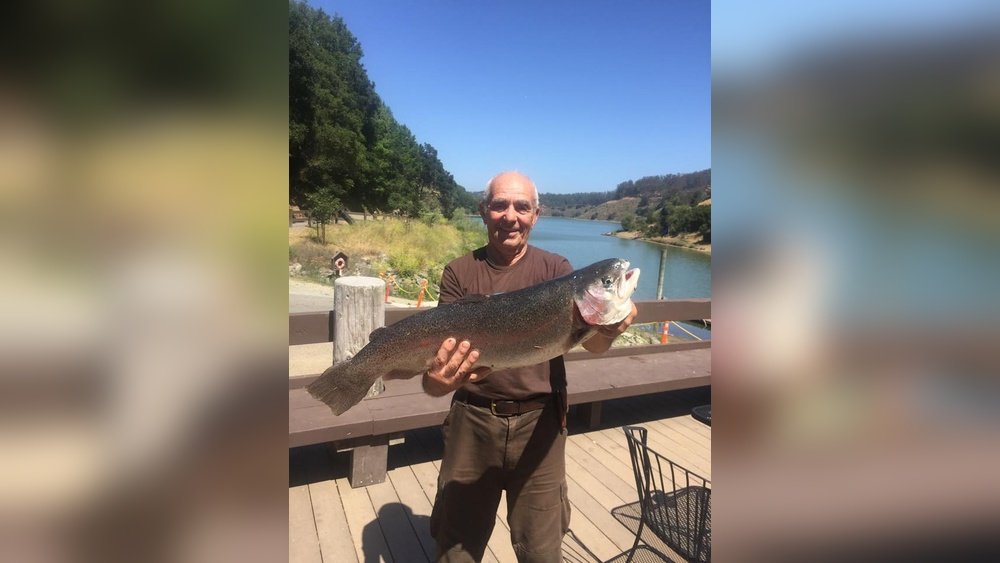
Rainbow Trout
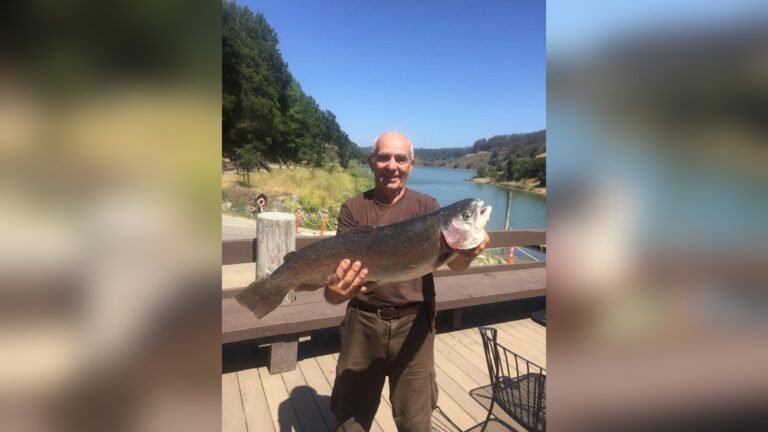
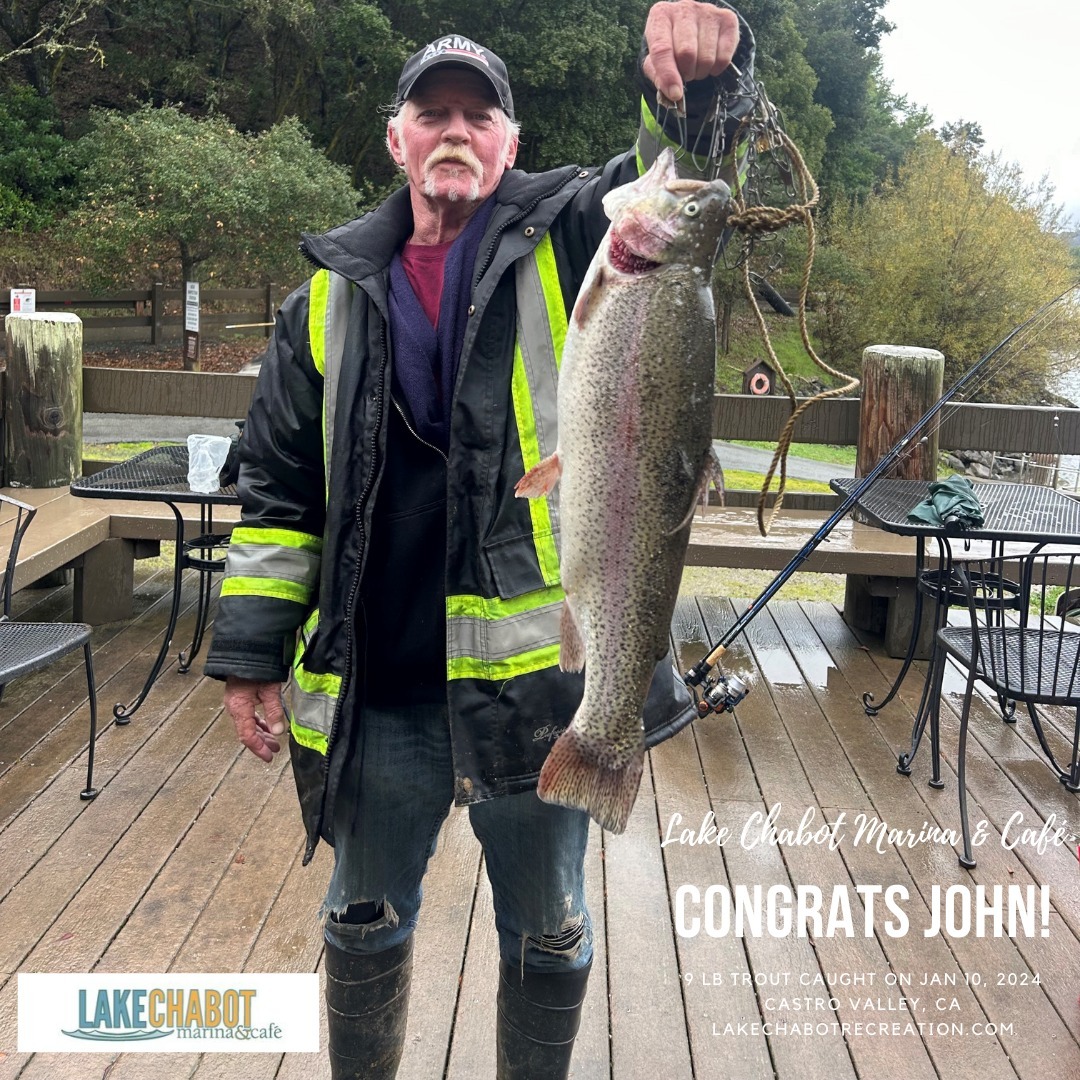
Rainbow trout are the stars of Lake Chabot, especially in the cooler months. The lake is stocked with thousands of pounds of trout each year, especially from fall to spring. These fish are usually 1–2 pounds, but some reach 5 pounds or more.
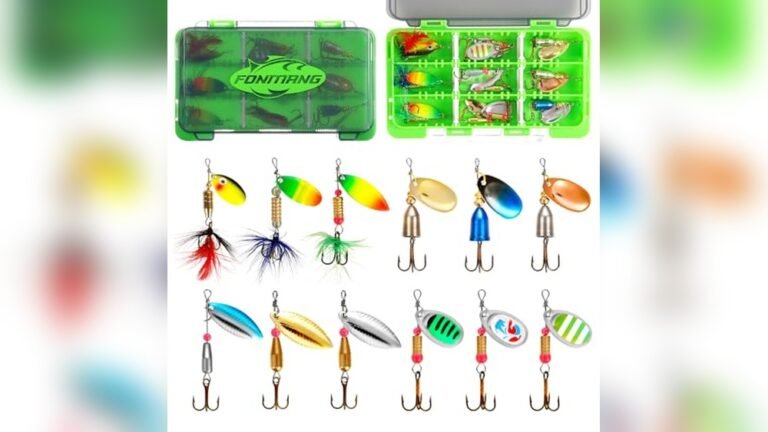
Trout like the cooler, oxygen-rich upper layers of water. Early morning and evening, or cloudy days, are best. PowerBait, nightcrawlers, and small spinners are popular choices. If you’re fishing from shore, try the dam or boat launch area. On a boat, the deeper water near the dam often pays off.
Largemouth Bass
The largemouth bass is a favorite for those who enjoy a challenge. Chabot’s bass are not stocked; they are wild and can grow large. Fish over 7 pounds are caught every year, but most are in the 1–4 pound range.
Bass like warmer water and hang around weeds, submerged trees, and rocky areas. Early summer mornings or late afternoons in spring and fall are prime times. Plastic worms, spinnerbaits, and topwater lures work well. Unlike trout, bass fishing often means casting and retrieving rather than waiting.
Channel Catfish
Channel catfish are the main catfish species in Lake Chabot. They are stocked regularly, especially in summer and fall. Catfish can grow large here—over 20 pounds is possible, though most catches are 2–10 pounds.
Catfish love deep, muddy areas and are most active at night or on warm, cloudy days. Chicken liver, anchovies, and stink baits are top choices. The west shore near Raccoon Point and the dam are productive spots.
Bluegill And Sunfish
Small but feisty, bluegill and other sunfish are easy to catch and perfect for kids or beginners. You’ll find them in shallow, weedy areas, especially in late spring and summer.
A simple worm on a small hook is all you need. These fish rarely get larger than half a pound, but they put up a surprising fight.
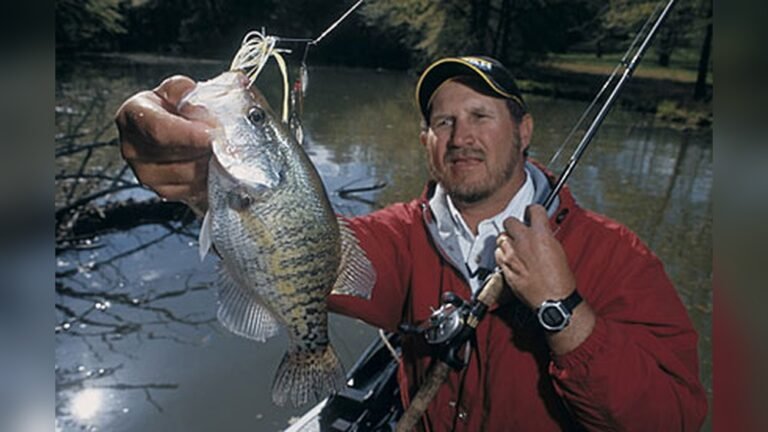
Black Crappie
Black crappie are less common but still present. They travel in schools and are often found near submerged trees or docks. Spring is the best time to find them, especially when water temperatures rise.
Try small jigs, minnows, or even a piece of worm. Crappie are tasty and often reach 1–2 pounds in Lake Chabot.
Stocking And Fish Management
Lake Chabot is not a natural lake—it’s a reservoir managed by the East Bay Regional Park District. To keep fishing good, the lake is stocked with trout and catfish regularly. The stocking schedule changes, but you can check the park’s website for updates.
Stocking helps balance fishing pressure. Without it, heavy fishing could reduce fish populations quickly. The lake also has rules to protect the fish. For example:
- No fishing from boats with gas engines (only electric or rowboats allowed)
- Size and bag limits for some species
- Seasonal closures for fish spawning
These rules help keep Lake Chabot healthy for both fish and people.
Credit: lakechabotrecreation.com
Best Fishing Spots Around Lake Chabot
Your spot can make a big difference in what you catch. Here’s a comparison of popular fishing areas:
| Location | Main Fish | Best Time | Notes |
|---|---|---|---|
| Dam Area | Trout, Catfish | Early morning, evening | Deep water, easy access |
| Raccoon Point | Catfish, Bass | Night, summer | Muddy bottom, good cover |
| Honker Bay | Bass, Bluegill | Spring, early summer | Weedy, lots of sunfish |
| Indian Cove | Trout, Bass | Spring, fall | Quieter, less crowded |
The dam and boat launch are favorites for trout, especially after a stocking event. For catfish, try the west shore or Raccoon Point. Bass and bluegill like the warmer, shallow coves. If you want peace and quiet, walk further from the parking lots.
When To Fish Each Species
Season and weather have a big impact on what fish are biting. Here’s a quick look at the best times:
| Fish | Best Season | Best Time of Day |
|---|---|---|
| Rainbow Trout | Fall–Spring | Morning, evening |
| Largemouth Bass | Spring–Early Summer | Morning, late afternoon |
| Channel Catfish | Summer–Early Fall | Night, dusk |
| Bluegill/Sunfish | Late Spring–Summer | Midday, warm afternoons |
| Black Crappie | Spring | Morning |
Rainy, cloudy days can be excellent for fishing, especially for trout and bass. Catfish bite best after dark or when the water is warm. On hot summer days, most fish move deeper, except bluegill.
Fishing Techniques And Tips
The right method depends on the fish you’re after and the time of year. Here are some practical tips for Lake Chabot:
- Light Tackle for Trout: Use a 4–6 lb line, small hooks, and a sliding sinker to keep your bait near the bottom. PowerBait and inflated nightcrawlers are the go-to.
- Bass Lure Selection: Early in the season, use spinnerbaits and crankbaits. As water warms, switch to plastic worms or topwater lures in the weeds.
- Night Catfishing: Bring a lantern and set up on the west shore or near the dam. Use smelly bait like chicken liver or anchovies.
- Sunfish for Kids: A bobber and worm near the docks or shoreline weeds will keep kids busy and happy.
- Crappie Secrets: Look for fallen trees or brush piles in spring. Small jigs tipped with a minnow are hard to beat.
One insight many beginners miss: the fish often move. If you’re not getting bites in 30–45 minutes, try a new spot or change your bait. Another tip—pay attention to the wind. Wind blowing into a shore often brings in food and attracts fish.
Fish Size Records And Notable Catches
Lake Chabot has produced some big fish over the years. Here are a few highlights:
- Largest bass: Over 14 pounds (caught in the 1990s)
- Biggest catfish: More than 30 pounds
- Heaviest trout: 8+ pounds in some years
While these giants are rare, they show what’s possible with patience and luck. Most anglers catch fish in the 1–5 pound range, but the thrill of a trophy keeps people coming back.

Credit: patch.com
Rules, Licenses, And Ethical Fishing
To fish at Lake Chabot, everyone age 16 and up needs a valid California fishing license. You can buy a one-day or annual license online or at local shops. The lake also requires a daily fishing access permit, which you can get at the marina.
Remember these key rules:
- No live minnows as bait (to protect the ecosystem)
- Follow posted bag and size limits
- No gasoline-powered boats
- Release large breeding fish when possible
Ethical anglers use barbless hooks or practice catch-and-release for big bass. This helps keep the fish population strong for years to come.
The Ecology Of Lake Chabot
Lake Chabot is more than just a fishery—it’s an ecosystem. The balance between fish, plants, and water quality is carefully managed. The lake’s fish help control insect populations, while their presence attracts birds and other wildlife.
Occasionally, the lake experiences algae blooms in summer, which can affect fishing. Avoid eating fish during major algae outbreaks, and check park advisories before your trip.
Another thing beginners often miss: weather changes, like heavy rain, can stir up mud and change where fish feed. After big storms, fish may move closer to shorelines where the water is less murky.
Credit: www.norcalfishreports.com
Comparing Lake Chabot To Other Bay Area Lakes
Lake Chabot is often compared with lakes like Del Valle, Shadow Cliffs, and San Pablo Reservoir. Here’s how it stacks up:
| Lake | Main Fish | Boat Rentals | Stocking Schedule |
|---|---|---|---|
| Lake Chabot | Trout, Bass, Catfish | Yes (electric/row) | Trout (fall–spring), Catfish (summer–fall) |
| Del Valle | Trout, Catfish, Striped Bass | Yes | Trout, Catfish |
| Shadow Cliffs | Trout, Bass | Yes | Trout |
| San Pablo Reservoir | Trout, Bass, Catfish | Yes | Trout, Catfish |
Lake Chabot stands out for its peaceful setting, easy shore access, and variety of fish. It’s especially good for trout and bass, but you won’t find striped bass like in Del Valle.
Local Resources And Community
The Lake Chabot Marina rents boats, sells bait, and provides up-to-date fishing reports. There are also regular kids’ fishing derbies and community events. If you want to learn from others, local anglers often share tips at the marina or on fishing forums.
For detailed park rules and stocking updates, visit the official East Bay Regional Park District website.
Frequently Asked Questions
What Is The Best Bait For Lake Chabot Fish?
For trout, PowerBait and nightcrawlers work well. Bass like plastic worms and spinnerbaits. For catfish, use chicken liver or anchovies. Bluegill and sunfish go for small worms.
Do I Need A Fishing License To Fish At Lake Chabot?
Yes, everyone 16 and older needs a California fishing license. You also need a daily access permit, which can be purchased at the marina.
When Is Lake Chabot Stocked With Fish?
Trout are usually stocked from fall through spring, and catfish from summer to early fall. Check the park’s website for current stocking dates.
Can I Eat Fish From Lake Chabot?
Most fish are safe to eat, but check for advisories, especially after algae blooms. Some people prefer catch-and-release to protect fish populations.
What’s The Biggest Fish Caught At Lake Chabot?
The lake has produced largemouth bass over 14 pounds and catfish over 30 pounds. Most commonly, anglers catch fish in the 1–5 pound range.
Lake Chabot’s fish offer excitement for all levels, from families to serious anglers. With careful management and a variety of species, it’s a special place to explore nature and enjoy the thrill of fishing. Whether you want to land a trophy or just relax by the water, Lake Chabot has something for everyone.