Are you curious whether football truly belongs to the winter sports lineup? You might think of football as a chilly, rainy game, but is it officially a winter sport or something else?
Understanding when and why football is played can change how you watch and enjoy the game. You’ll discover how football fits into the sports calendar, why it’s often linked with colder months, and how it compares to other winter sports you might follow.
Keep reading to get the full picture and see football in a whole new light!
Football Seasons
Football seasons vary across different levels of play. The sport mainly takes place during the cooler months. This timing affects players, fans, and the overall experience of the game.
Understanding when football is played helps clarify whether it is truly a winter sport. The schedules differ for high school, college, and professional football.
High School Football Timing
High school football usually starts in late summer or early fall. The season runs from August or September through November. Playoffs and championship games often occur in late November or early December.
Most high school teams finish before winter fully sets in. This timing avoids harsh winter weather for younger players. In many states, football is considered a fall sport rather than a winter one.
College And Professional Schedules
College football begins in late August or early September. The regular season lasts until November. Postseason games and bowl games take place in December and January.
Professional football, like the NFL, starts in early September. The regular season extends into late December or early January. Playoffs run through January, ending with the Super Bowl in early February.
These schedules place most football games in fall and early winter months. The sport overlaps with winter but is not limited to it.
Credit: www.nike.com
Football And Weather
Football often faces many weather challenges during its season. The sport usually runs from late summer into fall and early winter. Weather plays a big role in how games are played and watched. Cold temperatures, snow, and rain all affect the field and players.
Understanding the relationship between football and weather helps explain why football is sometimes seen as a winter sport. The sport adapts to different climates and conditions to keep the game going.
Impact Of Winter Conditions
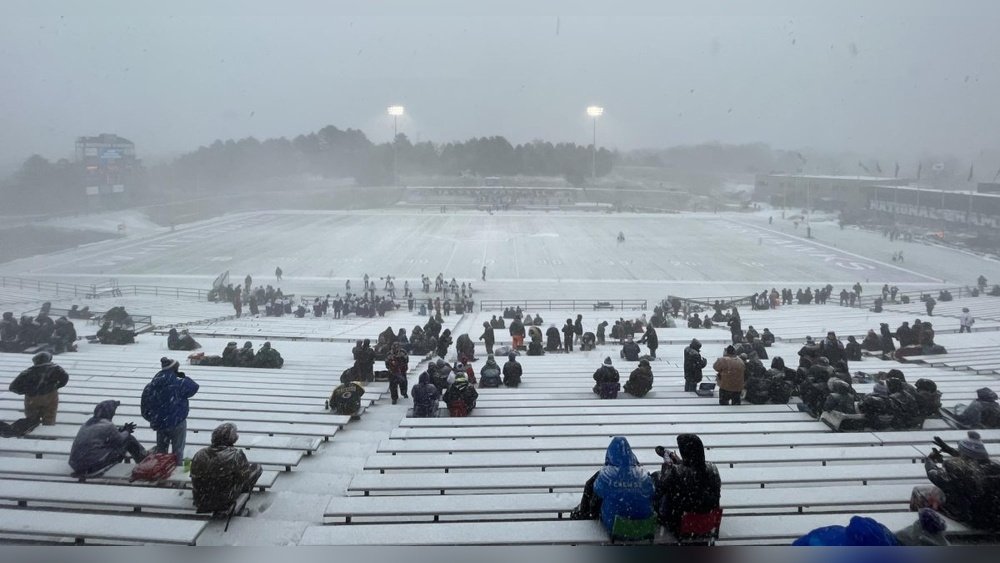
Winter weather can make football games harder and more exciting. Snow and ice change the way players move and handle the ball. Cold air can affect players’ breathing and stamina. Coaches often adjust their strategies to match the weather. Fans also dress warmly to enjoy the game outside. Winter storms can delay or cancel games, but many teams play through harsh conditions.
Historical Weather Adaptations
Football has a long history of adapting to winter weather. Early games were played on muddy, frozen fields. Teams developed special shoes with better grip for slippery surfaces. Protective gear improved to keep players warm and safe. Stadiums started using heated fields and better drainage. Over time, rules changed to protect players in bad weather. These adaptations help football remain popular even in cold seasons.
Winter Sports Defined
Winter sports include activities played during cold months, often involving snow or ice. These sports can be done indoors or outdoors. Understanding the types of winter sports helps clarify if football fits in this category. Winter sports focus on the season and environment in which they occur.
Indoor Winter Sports
Indoor winter sports take place inside arenas or gyms. Examples include basketball and ice hockey. Swimming and diving also happen indoors during winter. Wrestling and indoor track events are popular winter activities. Fencing competitions often occur in the winter months as well.
Outdoor Winter Sports
Outdoor winter sports require cold weather and sometimes snow or ice. Skiing and snowboarding are classic examples. Ice skating includes figure skating and speed skating on frozen surfaces. Some sports, like cross-country skiing, depend on snow-covered terrain. These sports need specific winter conditions to be played safely and well.
Football Compared To Winter Sports
Football often sparks debate about its classification as a winter sport. Comparing football with traditional winter sports helps clarify its seasonal identity. Both share some timing but differ in many ways.
This section explores how football overlaps with winter sports and highlights differences in playing environments.
Season Overlaps
Football season mainly runs from late summer through fall. It often extends into early winter with playoffs and championships. Many winter sports start their seasons in late fall or early winter. For example, basketball and ice hockey seasons begin around October or November. This creates a brief overlap between football and some winter sports. However, football’s core games mostly occur before winter fully sets in. Winter sports continue through the cold months, often ending in spring.
Differences In Play Environment
Football is usually played outdoors on grass or turf fields. Players face weather elements like rain, wind, or light snow. Winter sports often require specialized environments. Ice hockey and figure skating need indoor ice rinks. Skiing and snowboarding happen on snow-covered mountains. Winter sports depend heavily on cold weather and specific conditions. Football adapts to many weather types but does not rely on winter conditions. These differences shape how players prepare and compete in each sport.
Regional Variations
Football seasons vary widely depending on the region. Climate, culture, and tradition shape when football is played. This affects whether football is seen as a winter sport or not. Understanding these regional differences helps clarify the seasonal nature of football around the world.
Some regions schedule football in the fall, while others play in winter or even spring. These variations influence training, attendance, and fan enthusiasm. The sport adapts to local weather and school calendars to fit the best season for play.
U.s. High School Sports Seasons
In the United States, high school football usually takes place in the fall. Games often start in August or September and end by November or December. This timing avoids harsh winter weather in most states. Football stands as a key fall sport alongside others like volleyball and soccer.
Winter sports in U.S. high schools include basketball and wrestling. These sports dominate from November through March. Football is rarely played during winter due to cold and snow in many areas. The fall schedule helps protect players and ensures good field conditions.
International Football Seasons
International football seasons differ greatly from the U.S. In countries like England, football is often played during winter months. The season can run from August through May, covering autumn and winter. England’s weather supports football in colder, wetter months better than some regions.
In other countries, football may align with spring or summer. For example, Australia and South America often hold football seasons in their warmer months. These variations reflect local climate and cultural preferences. Football’s seasonal identity changes based on where it is played.
Cultural Perspectives
Cultural views shape how people see football in the winter months. Different countries link football to their own seasonal customs. This connection influences whether football feels like a winter sport. Traditions and weather both affect football’s place in winter culture.
Football’s Role In Winter Traditions
In many places, football is a key part of winter celebrations. Fans gather to watch games on cold weekends. Tailgating and festive events create a unique winter atmosphere. The sport brings communities together despite chilly weather. Football often marks holidays and special winter days.
In some regions, football games are a holiday ritual. Families and friends meet to enjoy the sport and share warm meals. This tradition helps football feel like a winter activity. The excitement of games adds energy to the cold season.
Global Seasonal Preferences
Across the world, football seasons vary with the climate. Countries with mild winters may play football all year. Others pause during harsh winter months for safety and field conditions. Local weather shapes the sport’s seasonal timing.
In England, football is mainly a fall and winter sport. Snow and rain rarely stop matches there. By contrast, some tropical countries have football seasons during their dry months. Fans adapt football to fit their climate and lifestyle.
These global differences show how culture and weather decide football’s season. Football’s identity as a winter sport depends on where you live. The sport fits into diverse traditions and seasonal cycles worldwide.
Training For Football In Cold Weather
Training for football during cold weather requires special care and preparation. Players need to stay warm and safe while keeping their skills sharp. Cold temperatures can make muscles stiff and increase injury risk. Coaches and athletes must adapt their routines to handle these challenges effectively.
Indoor Conditioning
Indoor conditioning helps players stay active without facing harsh weather. Gyms and indoor fields provide a controlled environment. Strength training, agility drills, and cardio workouts can continue safely inside. This approach keeps players fit and ready for outdoor games. It also reduces the chance of cold-related health issues.
Outdoor Practice Challenges
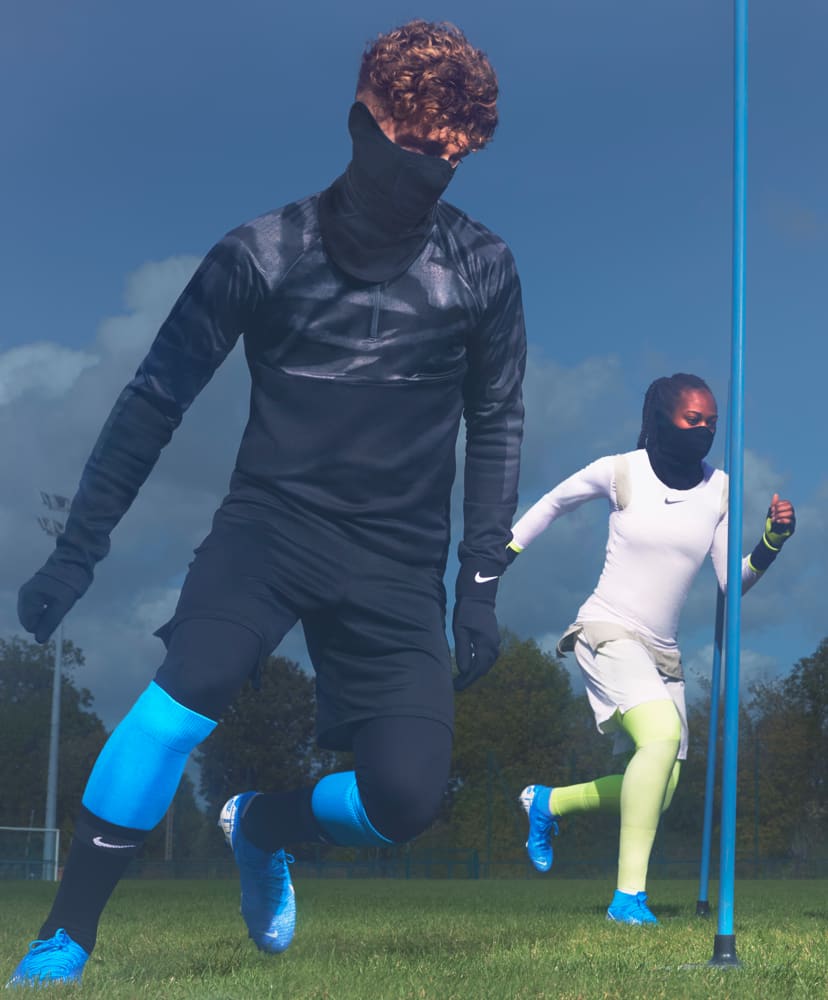
Practicing outdoors in cold weather tests both players and coaches. Cold air can make breathing difficult and reduce energy. Surfaces may be icy or slippery, causing falls and injuries. Proper clothing like layered gear and gloves is essential. Warm-up routines must be longer to prevent muscle strains. Coaches must watch players closely for signs of frostbite or hypothermia.

Credit: www.amazon.com

Credit: www.weatherwatch.co.nz
Frequently Asked Questions
Does Football Count As A Winter Sport?
Football is primarily a fall sport, not a winter sport. Its season usually runs from late summer to early winter.
Is Football A Winter Game?
Football is primarily a fall sport, not a winter game. It is played mostly from late summer through fall.
What Sports Are In Season In Winter?
Winter sports include basketball, ice hockey, skiing, snowboarding, swimming, wrestling, ice skating, curling, and indoor track events.
Is Football A Winter Sport In High School?
High school football is primarily a fall sport, not a winter sport. Most states schedule football games from August to November. Winter sports usually include basketball, wrestling, and swimming, which take place after the football season ends.
Conclusion
Football mainly takes place during the fall, not winter. Its season starts in late summer and ends before deep winter arrives. The sport’s schedule avoids harsh winter weather to keep players safe. Many winter sports like basketball and ice hockey fill the colder months.
Still, football’s timing makes it a strong autumn favorite. Fans enjoy watching it as leaves change colors and temperatures drop. So, football is better seen as a fall sport rather than a winter one. This timing helps schools and leagues organize their entire sports calendar smoothly.