Reeling in Success: The Benefits of Using Mealworms for Carp Fishing
Carp fishing can feel like a puzzle. Some days, you wait for hours with no bite. On other days, your bait disappears in seconds. For many anglers, finding the right bait is the key to more fish and bigger catches. Mealworms have become a favorite among carp anglers worldwide. But why do these tiny, wriggling creatures work so well? Let’s explore the real advantages of using mealworms for carp fishing and how they can help you reel in success, even if you’re new to the sport.
Why Mealworms Work So Well For Carp
Carp are curious and opportunistic feeders. In the wild, they eat a mix of insects, larvae, and plant matter. Mealworms—the larvae of the darkling beetle—match this natural diet closely.
When dropped into water, mealworms wiggle and move, catching the attention of carp nearby. Their soft bodies release scents and proteins that fish can sense easily. This combination of sight, movement, and smell is powerful. Carp that might ignore artificial lures often can’t resist a juicy mealworm.
Natural Attraction And High Nutrition
A key reason mealworms stand out is their high protein and fat content. Carp need protein for growth and energy, especially in spring and summer. Using mealworms means you’re offering something both delicious and nutritious.
Here’s how mealworms compare to other common carp baits:
| Bait Type | Protein (%) | Fat (%) | Typical Use |
|---|---|---|---|
| Mealworms | 20-22 | 13-15 | Live or dead |
| Sweetcorn | 3-4 | 1 | Fresh or canned |
| Boilies | 10-18 | 5-8 | Varied flavors |
| Bread | 7-8 | 1 | Fresh |
Mealworms offer more protein and fat than most plant-based baits. This makes them attractive, especially for bigger or more active fish.
How To Use Mealworms For Carp Fishing
Using mealworms is simple, but a few tips can help you get the best results.
Rigging Mealworms
You can use mealworms alone or mix them with other baits. Here are common ways to rig them:
- Direct Hooking: Push the hook through the tough end of the mealworm (the head). This keeps it alive and wriggling.
- Hair Rig: Thread the mealworm onto a short loop below the hook. This lets it move more naturally in the water.
- Bait Cocktail: Combine a mealworm with a grain of corn or a piece of bread on the same hook. This gives extra scent and texture.
For best results, use small hooks (size 10–14). This matches the mealworm size and lets carp swallow the bait easily.
When To Use Mealworms
Mealworms work well year-round, but they shine in certain situations:
- Cold Water: In winter, carp feed less but will still grab high-protein baits.
- Shy Fish: On pressured lakes, carp may ignore bright or unnatural baits. Live mealworms look and smell more like natural food.
- Short Sessions: If you have only a few hours to fish, mealworms attract carp fast.
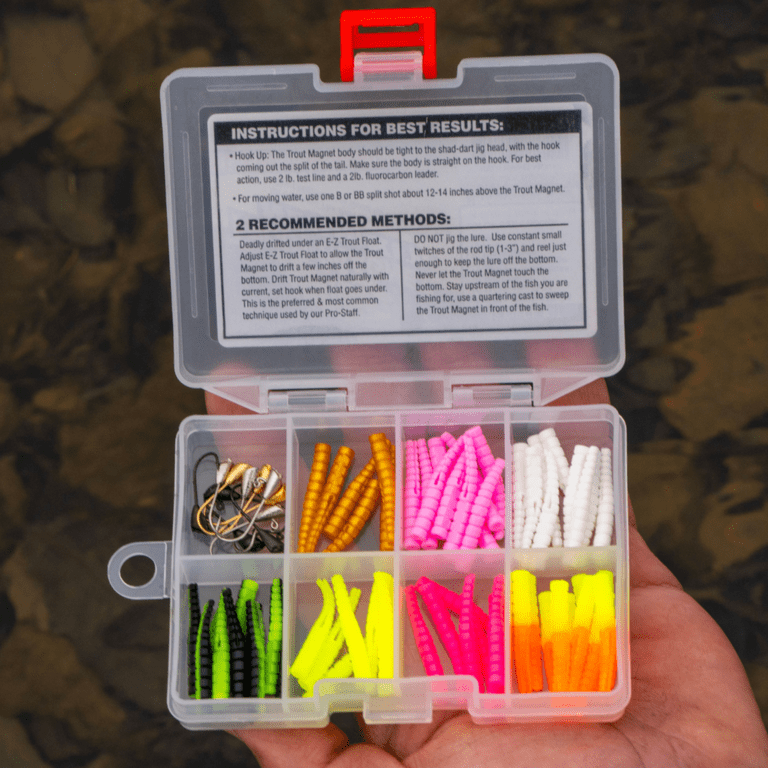
Credit: www.walmart.com
Practical Tips For Fishing Success
Having mealworms is only part of the strategy. Here’s how to get even more out of them.
Storing And Handling
Mealworms are easy to keep at home. Store them in a tub with oats or bran at 45–50°F (7–10°C). Remove dead worms to avoid smells. For a fishing trip, keep the container out of direct sun.
If you want to use dead mealworms (to avoid wriggling off the hook), freeze them overnight. Thawed mealworms are still attractive to carp.
Feeding Strategies
Pre-baiting your swim with mealworms can draw in carp before you cast your line. Scatter a handful of mealworms in your chosen spot. Wait 10–20 minutes, then cast your rig into the area.
Mixing chopped mealworms with groundbait or pellets adds extra scent and movement. This can help in murky water or on busy lakes.
Common Mistakes To Avoid
- Over-baiting: Too many mealworms can fill up the carp or attract nuisance fish like perch or roach.
- Wrong Hook Size: Large hooks can spoil the natural look and make carp suspicious.
- Poor Storage: Warm or damp storage can kill your mealworms or make them smelly.
Comparing Mealworms To Other Carp Baits
Some anglers wonder if mealworms are better than classics like boilies or corn. Each bait has strengths and weaknesses. Here’s a quick comparison:
| Bait | Attractiveness | Ease of Use | Cost | Works Year-Round? |
|---|---|---|---|---|
| Mealworms | High (movement + scent) | Easy | Medium | Yes |
| Boilies | Medium-High (flavors) | Very easy | Medium-High | Yes |
| Sweetcorn | Medium (color + taste) | Very easy | Low | Yes |
| Bread | Low-Medium | Easy | Very low | Yes |
Mealworms stand out for their movement and scent, which can trigger bites even on tough days.
Non-obvious Insights: What Many Anglers Miss
While mealworms look simple, a few advanced tips can boost your catch rate:
- Soak Mealworms in Attractants: Try dipping your mealworms in garlic oil, fish sauce, or commercial carp attractants for 10–15 minutes. This adds even more scent and can trigger bites from larger, wary carp.
- Chop Some Mealworms: Mixing chopped and whole mealworms in your groundbait creates a “cloud” of scent and tiny food pieces. Carp will root around longer, increasing your chances of a hookup.
- Match the Hatch: If you see carp feeding on the surface, try floating a mealworm under a small float or on a piece of foam. This mimics insects falling onto the water.
Are There Any Downsides To Using Mealworms?
While mealworms are powerful, they’re not perfect for every situation.
- Cost: Live bait can be more expensive than simple bread or corn, especially if you fish often.
- Storage: Keeping mealworms alive for weeks takes a bit of care.
- Bycatch: Other fish like perch, bluegill, or even small catfish love mealworms too. This can be a plus if you enjoy mixed-species fishing, but a minus if you want only carp.
- Hooking Skill: Beginners might find live mealworms wriggle off the hook if not secured well.
Despite these, most anglers find the benefits outweigh the drawbacks, especially on days when nothing else works.

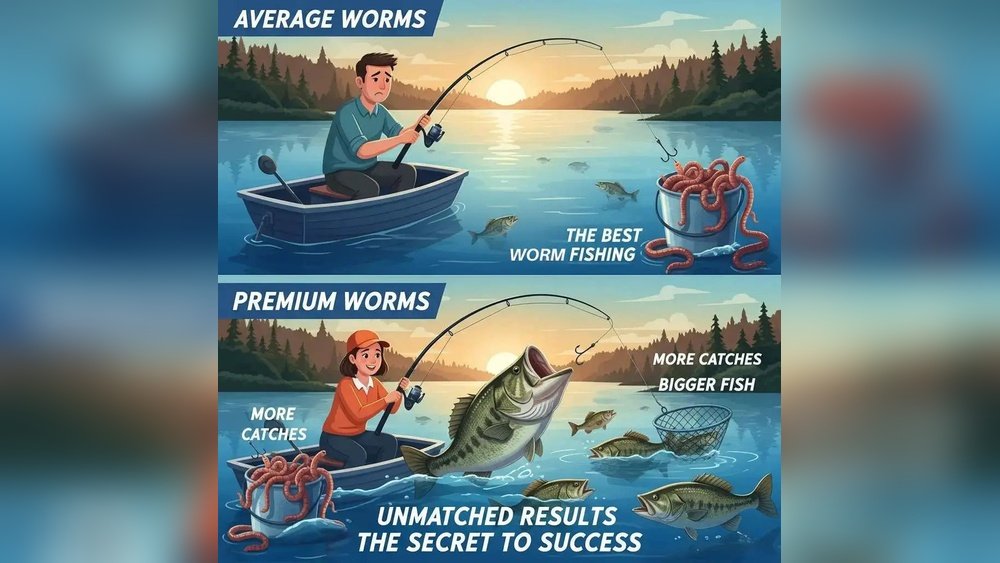
Credit: memesworms.com
Sustainability And Responsible Use
It’s worth considering the environmental impact of your bait choices. Mealworms are farmed in large numbers and are considered a sustainable protein source. They require less water and feed than many other live baits. Some studies even suggest mealworm farming has a lower footprint than beef or fishmeal-based baits.
Still, always dispose of unused mealworms responsibly. Never release them into the wild, as they can disrupt local insect life.
For more on sustainable fishing and bait choices, check out the Fishing.org website.
Real-world Results: Success Stories And Data
Anglers across the US and Europe have reported great results with mealworms, especially on hard-fished lakes. In a 2023 survey of 200 carp anglers in the UK, 68% said they’d caught more fish using mealworms versus boilies or corn on at least one occasion.
A few examples:
- Lake fishing: On pressured lakes where carp see lots of boilies, mealworms often tempt the biggest fish.
- Early spring: When water is cold, carp shy away from heavy baits. Mealworms’ small size is less intimidating.
- Night fishing: Their scent and movement continue to attract bites even in low light.
A common mistake is to give up after one slow session. Carp can be moody—try different times of day and adjust your rig for better results.

Credit: memesworms.com
Frequently Asked Questions
What’s The Best Way To Hook A Mealworm For Carp?
The most effective method is to push a fine wire hook through the head or tail. This keeps the mealworm alive and active, which attracts carp. For bigger fish, try hair rigging so the mealworm moves freely.
Can I Mix Mealworms With Other Baits?
Yes! Many successful anglers use “bait cocktails,” combining mealworms with sweetcorn, pellets, or even bread. This adds variety in scent and texture, making your bait more appealing.
How Do I Keep Mealworms Alive For Fishing?
Store them in a cool, dry place (like the fridge) in oats or bran. Remove dead mealworms daily. They can live for weeks with proper care, but keep the container closed to avoid escapes.
Are Mealworms Better Than Boilies For Carp?
Mealworms and boilies both have their place. Mealworms offer movement and natural scent, which can outperform boilies on pressured or cold-water lakes. Boilies are easier to use and store, but don’t move in the water.
Do Mealworms Attract Unwanted Fish?
Yes, species like perch, roach, and bluegill also love mealworms. If you want to target only carp, use larger hooks or bait combinations to reduce small fish bites.
Mealworms are a versatile, high-protein bait that can make a huge difference on the water. With the right approach and a little practice, you’ll see why so many anglers now trust mealworms for their next big carp catch. Give them a try—you might reel in your personal best.